

Blog

Your blog category

Healthy Living & Lifestyle Updates

Living a healthy lifestyle is not just about eating well or exercising regularly — it is about creating balance in every area of life. From mental wellness and physical fitness to self-care and healthy daily habits, every small step plays an important role in improving overall well-being. In today’s fast-paced world, many people struggle with stress, lack of sleep, unhealthy routines, and emotional exhaustion. That is why focusing on a healthier lifestyle has become more important than ever. At our wellness center, we believe that healthy living should be simple, practical, and sustainable. Our goal is to provide valuable lifestyle updates, wellness guidance, and self-care tips that help individuals make positive changes in their everyday lives. Whether you are beginning your wellness journey or trying to maintain a healthier routine, staying informed can help you make better decisions for both your body and mind. The Importance of a Healthy Lifestyle A healthy lifestyle helps improve physical strength, emotional stability, and mental clarity. When people take care of their health consistently, they often experience better energy levels, improved focus, stronger immunity, and a more positive mindset. Healthy living also reduces the risk of stress-related problems and supports long-term wellness. Simple daily habits such as drinking enough water, eating nutritious meals, staying active, and maintaining a regular sleep schedule can make a significant difference. Even small improvements in your routine can lead to lasting health benefits over time. Mental Wellness Matters Mental health is just as important as physical health. Managing stress, practicing self-care, and maintaining emotional balance are essential parts of a healthy lifestyle. Many individuals face anxiety, burnout, and emotional fatigue due to work pressure, personal responsibilities, and busy schedules. Taking time to relax, practicing mindfulness, talking to supportive people, and seeking professional support when needed can improve emotional well-being. Prioritizing mental wellness helps individuals feel more balanced, confident, and emotionally strong in their daily lives. Building Healthy Daily Habits Healthy habits are built through consistency and small daily actions. Creating routines that support your physical and emotional health can improve productivity and overall happiness. Some healthy daily habits include: Starting the day with a positive routine Staying physically active Eating balanced meals Limiting screen time Practicing gratitude and mindfulness Taking breaks to reduce stress Getting enough rest and sleep These simple habits can help create a healthier and more fulfilling lifestyle over time. Nutrition and Balanced Eating Good nutrition provides the body with the energy and nutrients needed to function properly. A balanced diet supports physical health, improves concentration, and boosts overall wellness. Including fresh fruits, vegetables, proteins, whole grains, and healthy fluids in your meals can help maintain better energy levels throughout the day. Healthy eating is not about strict dieting — it is about making mindful food choices that support long-term health and well-being. Small changes in eating habits can lead to better physical and emotional health. Staying Active and Physically Fit Regular physical activity plays an important role in maintaining overall wellness. Exercise not only strengthens the body but also improves mood and reduces stress. Activities such as walking, stretching, light workouts, or outdoor activities can help improve flexibility, energy, and mental focus. Staying active does not always require intense workouts. Consistent movement and simple fitness routines can help support a healthier and more balanced lifestyle. Self-Care and Stress Management Self-care is an essential part of healthy living. Taking time to rest, relax, and focus on personal well-being can improve both mental and physical health. Managing stress effectively helps prevent emotional exhaustion and supports a more peaceful lifestyle. Activities such as deep breathing, meditation, journaling, listening to music, or spending time with loved ones can help reduce stress and improve emotional wellness. Prioritizing self-care allows individuals to recharge and maintain a healthier mindset. Creating a Positive Lifestyle A positive lifestyle is built through healthy choices, supportive relationships, and a balanced routine. Surrounding yourself with positivity, maintaining healthy boundaries, and focusing on personal growth can improve overall happiness and emotional wellness. Healthy living is a continuous journey that requires patience, consistency, and self-awareness. Every positive step toward wellness contributes to a healthier and more meaningful life. Final Thoughts Healthy living is about creating balance, improving wellness, and making choices that support long-term health. By focusing on mental wellness, healthy habits, physical activity, and self-care, individuals can build a stronger foundation for a happier and healthier future. Our Healthy Living & Lifestyle Updates section is dedicated to providing helpful information, wellness guidance, and practical lifestyle tips to support your journey toward better health and well-being.

Healthy Living & Lifestyle Updates Read More »
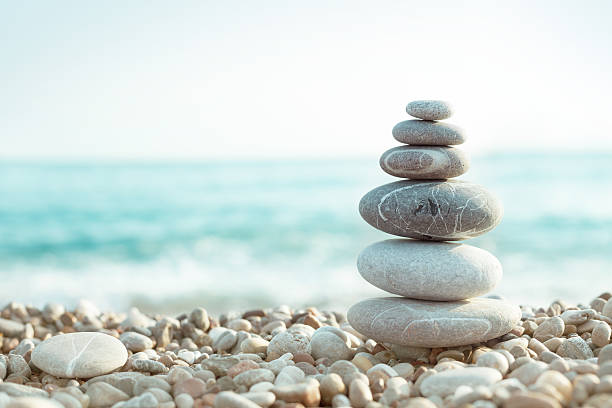
Mental Wellness: Simple Ways to Stay Balanced

Mental wellness plays an important role in living a healthy and fulfilling life. In today’s fast-moving world, many people experience stress, anxiety, emotional exhaustion, and pressure from daily responsibilities. While occasional stress is normal, continuously ignoring emotional health can affect both the mind and body. That is why maintaining mental balance is essential for overall well-being. Mental wellness does not mean being happy all the time or avoiding challenges completely. It means learning how to manage emotions, handle stress in healthy ways, and create habits that support emotional stability. Small daily actions can make a significant difference in improving mental clarity, emotional strength, and overall peace of mind. Understanding Mental Wellness Mental wellness refers to emotional, psychological, and social well-being. It affects how people think, feel, react, and manage daily situations. When mental wellness is balanced, individuals are better able to cope with challenges, maintain healthy relationships, and make positive decisions. Ignoring mental health can lead to stress, burnout, lack of motivation, and emotional fatigue. Prioritizing emotional wellness helps individuals feel more focused, calm, and confident in their everyday lives. Practice Daily Self-Care Self-care is one of the most effective ways to maintain mental balance. Taking time for yourself allows the mind and body to recharge. Self-care does not have to be complicated or expensive — simple activities can have a positive impact on emotional well-being. Some healthy self-care habits include: Getting enough sleep Eating balanced meals Staying hydrated Taking short breaks during busy days Spending time outdoors Listening to relaxing music Reading or journaling Even a few minutes of self-care each day can help reduce stress and improve emotional wellness. Manage Stress in Healthy Ways Stress is a normal part of life, but unmanaged stress can affect mental and physical health. Learning healthy ways to manage stress can improve focus, emotional control, and overall balance. Simple stress management techniques include: Deep breathing exercises Meditation and mindfulness Physical activity or walking Talking with supportive friends or family Organizing daily tasks and routines Taking time away from screens and social media Creating healthy coping strategies helps reduce emotional pressure and supports a calmer mindset. Stay Connected with Supportive People Healthy relationships play an important role in emotional well-being. Spending time with positive and supportive people can improve mood, reduce loneliness, and provide emotional comfort during difficult times. Talking openly with trusted friends, family members, or mental health professionals can help individuals process emotions and feel understood. Strong social connections often contribute to better emotional resilience and mental stability. Focus on Positive Thinking Maintaining a positive mindset can help improve mental wellness and emotional strength. While life may include challenges and setbacks, focusing on gratitude and positive habits can support emotional balance. Positive thinking does not mean ignoring problems — it means approaching situations with hope, patience, and self-confidence. Practicing gratitude, celebrating small achievements, and avoiding constant negative thinking can improve overall mental health. Create Healthy Daily Routines Daily routines help create structure and stability, which are important for mental wellness. Having consistent habits can reduce stress, improve productivity, and create a sense of control. Healthy routines may include: Waking up and sleeping at regular times Taking breaks throughout the day Scheduling time for exercise and relaxation Limiting excessive screen time Setting realistic goals and priorities Simple routines can help individuals feel more organized and emotionally balanced. Prioritize Rest and Sleep Quality sleep is essential for both mental and physical health. Lack of sleep can increase stress, irritability, and difficulty concentrating. Proper rest allows the brain and body to recover and function effectively. Improving sleep habits can include: Maintaining a regular sleep schedule Reducing screen time before bed Creating a calm sleeping environment Avoiding excessive caffeine late in the day Getting enough rest helps improve mood, focus, and emotional stability. Know When to Seek Support Sometimes emotional struggles may become difficult to manage alone. Seeking professional support is a healthy and important step toward healing and balance. Mental health professionals can provide guidance, coping strategies, and emotional support tailored to individual needs. There is no shame in asking for help. Prioritizing mental wellness is a sign of strength and self-awareness. Final Thoughts Mental wellness is an ongoing journey that requires care, balance, and consistency. Small daily habits such as self-care, stress management, healthy routines, and positive connections can help improve emotional well-being and create a healthier mindset. By taking simple steps each day, individuals can build emotional strength, reduce stress, and maintain better balance in both personal and professional life.

Mental Wellness: Simple Ways to Stay Balanced Read More »

Latest Health Tips for a Better Life

Maintaining good health is one of the most important parts of living a happy and productive life. In today’s busy world, many people struggle to balance work, personal responsibilities, rest, and self-care. Unhealthy eating habits, lack of physical activity, stress, and poor sleep routines can gradually affect both physical and mental well-being. That is why following healthy lifestyle practices and staying informed about wellness tips can help improve overall quality of life. Healthy living does not require drastic changes overnight. Small and consistent improvements in daily habits can create long-term benefits for the body and mind. By focusing on proper nutrition, regular movement, emotional wellness, and self-care, individuals can build a healthier and more balanced lifestyle. Maintain a Balanced Diet A healthy diet provides the body with the nutrients it needs to function properly. Eating balanced meals can improve energy levels, support immunity, and help maintain overall wellness. Including fresh fruits, vegetables, proteins, whole grains, and healthy fluids in your daily meals can positively impact physical health. It is also important to reduce excessive processed foods, sugary drinks, and unhealthy snacks. Making mindful food choices can improve digestion, concentration, and long-term health. Stay Physically Active Regular physical activity is essential for maintaining a healthy body and mind. Exercise helps improve strength, flexibility, heart health, and emotional wellness. Staying active can also reduce stress and improve mood. You do not always need intense workouts to stay healthy. Simple activities such as walking, stretching, cycling, or light home exercises can make a big difference when practiced consistently. Some easy ways to stay active include: Taking short walks daily Using stairs instead of elevators Practicing stretching exercises Spending time outdoors Following a simple fitness routine Consistent movement supports both physical and mental well-being. Prioritize Mental Health Mental health is equally important as physical health. Managing stress and maintaining emotional balance are key parts of healthy living. Busy schedules, work pressure, and daily responsibilities can often lead to anxiety and emotional exhaustion. Practicing relaxation techniques, spending time with supportive people, and taking regular breaks can improve mental wellness. Activities such as meditation, deep breathing, journaling, and mindfulness can help create a calmer and more balanced mindset. Get Enough Sleep Sleep is essential for recovery, focus, and overall health. Poor sleep habits can affect mood, productivity, and physical wellness. Adults should aim for consistent and quality sleep each night to allow the body and mind to recover properly. Healthy sleep habits may include: Sleeping and waking up at regular times Avoiding excessive screen time before bed Creating a calm sleeping environment Limiting caffeine late in the day Good sleep supports better concentration, emotional stability, and physical energy. Drink Enough Water Hydration is an important part of maintaining good health. Water helps regulate body temperature, improve digestion, and support overall body functions. Many people do not drink enough water throughout the day, which can lead to fatigue and dehydration. Keeping a water bottle nearby and drinking water regularly can help maintain proper hydration and improve daily energy levels. Reduce Stress Levels Long-term stress can negatively affect both physical and emotional health. Managing stress in healthy ways is essential for maintaining balance and wellness. Simple stress management tips include: Taking short breaks during work Practicing deep breathing exercises Listening to calming music Spending time in nature Limiting unnecessary pressure and overworking Creating time for relaxation and self-care can help reduce emotional exhaustion and improve mental clarity. Build Healthy Daily Habits Healthy routines create structure and support long-term wellness. Small positive habits practiced consistently can improve both productivity and overall happiness. Examples of healthy daily habits include: Starting the day with a positive mindset Planning meals and schedules Limiting unhealthy distractions Spending time with family and friends Practicing gratitude and mindfulness Healthy habits become more effective when maintained regularly over time. Focus on Preventive Care Preventive healthcare helps identify and manage health concerns before they become serious. Regular medical check-ups, health screenings, and wellness monitoring are important parts of maintaining long-term health. Taking preventive steps can improve overall wellness and help individuals stay informed about their physical condition. Final Thoughts Living a healthier life begins with simple and consistent lifestyle choices. By focusing on balanced nutrition, physical activity, emotional wellness, hydration, sleep, and stress management, individuals can improve both their physical and mental well-being. Healthy living is a continuous journey that requires patience, self-care, and daily effort. Even small positive changes can lead to long-term benefits and a better quality of life.

Latest Health Tips for a Better Life Read More »